
Is modern dating really doomed...
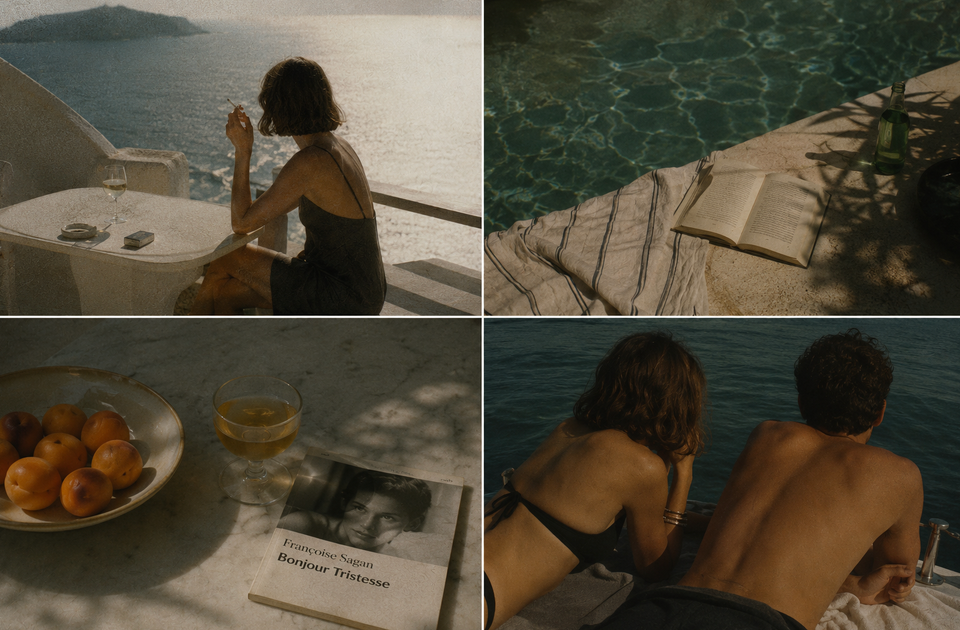

Or did the noise around it just grow louder?
Open Instagram or any magazine and there’s likely a story about how fucked up modern dating is. Ghosting. Breadcrumbing. Orbiting. Love bombing. Benching. All these terms reduce the nuances of early romantic connection to the equivalent of an emoji.
While many of these cruel behaviours have migrated to the digital space – where they accumulate on our screens like little symbols of our own failure – I have to wonder how many of them are actually new. Isn’t ghosting the Regency equivalent of promising someone a dance at the Netherfield Ball before disappearing because a better offer came along?
Most of it seems to fall into the category of what my mum would term ‘very bad manners’. Kind and respectful? Absolutely not. But love’s death rattle? Also, probably not.
The reality is that romance has always brought out the worst as well as the best in us. Jane Austen’s books are full of characters displaying appalling lack of consideration for their romantic prospects. Shakespeare wrote 26 sonnets about a Dark Lady who was callous with his heart time and again. In Giuseppe Tomasi di Lampedusa’s book The Leopard, Tancredi Falconeri is the maestro of mixed signals.
****
It’s true that the transactional nature of online dating is not good for anyone’s heart. But I wonder if the thing that has really shifted is our access to information on a vast scale and at a wildly accelerated pace. As recently as 20 years ago, most peoples’ frame of romantic reference was just their family, trusted friends, art and the odd sitcom (one hour per week, remember).
Now we are besieged by nuggets of negativity from people we’ve never even met. A dating horror story goes viral because catastrophe always travels faster than contentment. Often, if glimpsed on a social media feed, there is no resolution and our fears fill in the blanks.
****
For all that I feel excited by the prospect of a committed relationship, I also enjoy dating. Jewels of understanding can emerge from any vulnerable interpersonal connection. People are interesting. Observing how my inner landscape shifts in response to them can be uncomfortable, but it is also interesting. With each date, I’m gathering useful information on both what I’m looking for and what I can offer. More than that, I’m gradually coming to understand the intricacies of the human heart.
At the moment, I actually have a lover and I use that word very deliberately. He’s smart (a barrister), sexy (rugged heath ledger vibes) and lives on a boat, meaning the time we spend together – although very infrequent – feels like a holiday. We laugh, fancy each other and have interesting conversations. However, there is absolutely no shared life vision. He wants to sail to New Zealand. I want Sunday mornings, long-term plans and a shared bookshelf. Dear god, no more wild adventures for me, please and thank you.
It isn’t a situationship because we’re clear what we need and therefore the situation between us is obvious. We know it won’t outlast the summer and that’s for the best. I need to crack on with adulting (when I have the energy); he needs to let it all go. Will I feel some pangs when it’s time to say goodbye? Of course.
But isn’t life filled with the pang of things passing, in romance and beyond?
****
While I see the value in anything that makes people feel less alone, I worry that the prevalence of these negative narratives can create a kind of downward spiral of expectations. If disappointing dating behaviour took up less space in our cultural consciousness, I wonder whether fewer would consider it an acceptable or even normal way to behave?
When the reductive terms I referenced in the introduction have happened to me (and believe me, they all have), I find solace in remembering that relationships are co-created. By taking responsibility for continuing to participate in a dynamic that isn’t serving us, we also reclaim our power.
Let’s face it – if someone is displaying any of these behaviours rather than communicating clearly when given ample opportunities, they aren’t someone we could build a healthy relationship with anyway.
The reality is, in the early stages of dating, the stakes often feel far higher than they actually are. No thanks to our attachment wounds for that. But if we can remember that none of this is a reflection of our worth, the most painful part is often merely the phantom of what might have been.
The truth is that romantic connection has always had the power to break our hearts and then crack them wide open again. It’s really a fundamental part of this human experience. And that’s why it’s worth showing up for.
We can’t let a few ghosts take that away from us.
In solidarity,
Imogen <3
PS If you’re up for a far meatier dive into the realm of connection in the digital age, check out The Economist’s feature on the rise of the manosphere in China. I also enjoyed this piece by Noelle Perdue about how ‘being a girl’s girl’ is being corporatised by a US company marketing emergency contraception to young women.
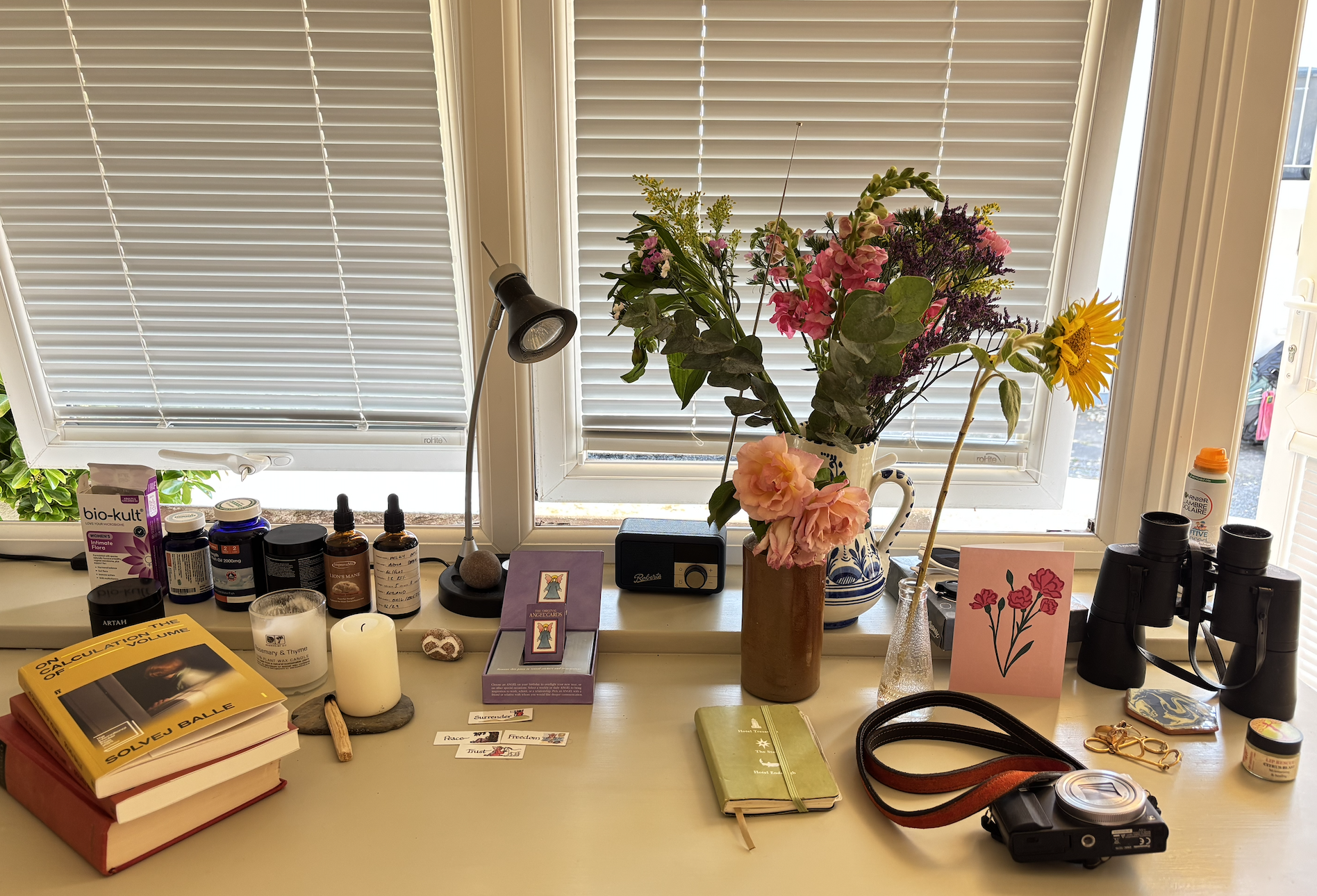

August wayfinding: provisions for the month to come (aka a sultry summer reading list)
James Joyce’s love letters Buckle up baby. These letters are so intimate that part of me feels they should never have been published. I love the way the graphic descriptions are also peppered with tender, domestic yearning.
Simple Passion, Annie Ernaux This account of the author’s all-consuming love affair with a married man is the embodiment of frenzied infatuation.
Delta of Venus, Anais Nin A seminal collection of erotic short stories that saw Nin create her own ‘language of the senses’ to articulate female desire.
Bonjour Tristesse, Françoise Sagan This slim, hazy novel follows a teenager and her playboy father during one summer on the French Riviera. Seventeen-year-old Cécile has her first sexual awakening while her father decides to remarry – with tragic consequences.
Pleasure, Emma-Louise Boynton Part memoir, part cultural investigation, this new non-fiction book traces the author’s journey from being unable to orgasm and battling an eating disorder to rebuilding her relationship with sex, desire and intimacy.

My stories elsewhere
From magazine articles to social media
I haven't really been working these last few months and yet a few bits and pieces have somehow managed to come together...
These women led restaurants are saving Mexico's Endangered Indigenous recipes – Afar
I ditched Pinterest and got interiors inspo from the real world – The Times
Year round sunshine, no jet lag: the underrated island we can't stop recommending – Conde Nast Traveller
Of course, you can always buy my book
The Ethical Traveller: 100 Ways To Roam The World Without Ruining It
Member discussion