
Magicians never reveal their tricks but luckily us writers are far less discreet
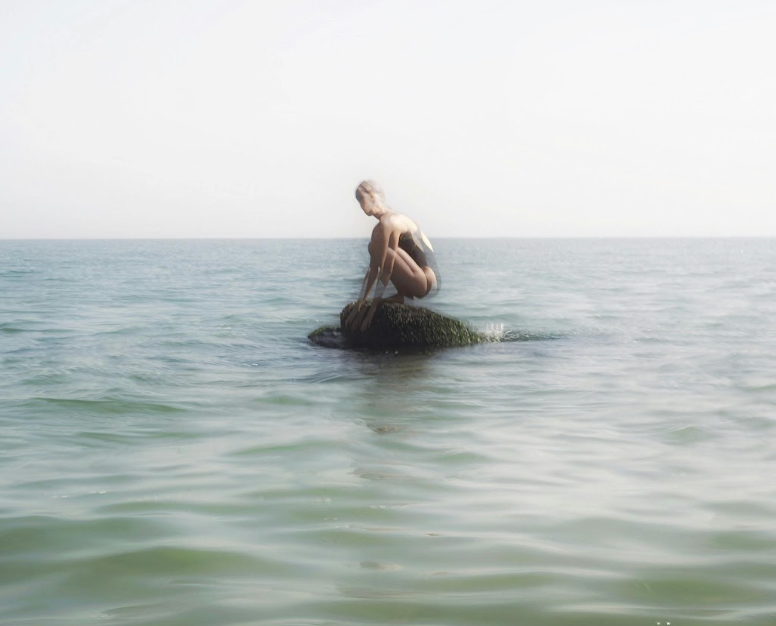

What goes into building a career as a travel writer? And more specifically, what is the secret formula behind my award-winning stories?
Last night I won Sustainability Travel Writer of the Year 2026 at the TravMedia Awards, which is arguably the most prestigious in the industry (because it’s the only one to announce the winners at a black-tie dinner at a smart hotel). In both 2025 and 2024, I won Sustainability Travel Writer of the Year at the Travel Media Awards, too. This is also a big deal: they serve Champagne and some people wear heels.
Yes, this one-off ‘how to’ newsletter is partly a chance to trumpet this news to you, loyal subscribers, but it’s also for all the newbie writers/journo students who slide into my DMs asking for advice on navigating this bizarre industry. I hope it may also prove valuable for colleagues who, like me, are fascinated by how other writers are making a living, particularly now we have been engulfed by the AI tsunami. If that isn’t you, please feel free to skip this one – in fact, I beg you to do so.
For anyone keen to come along for the ride, let us dust off our magic wands and get stuck in.
****
A whistle-stop tour of my 15-year career
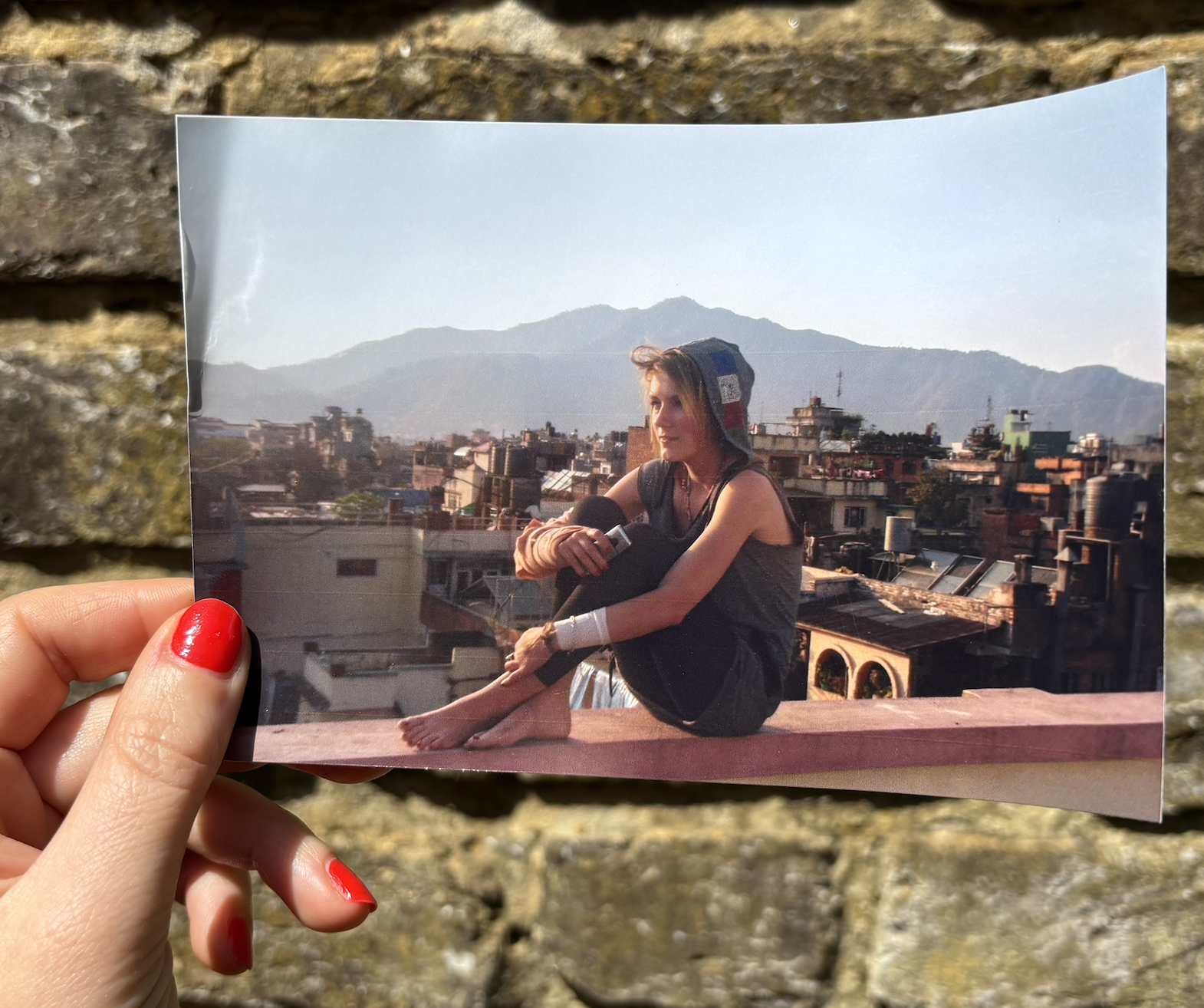
At 18, I spent six months in a remote village in Nepal, got into a whole load of trouble and wrote a story that won a young writers' competition at The Telegraph.
After studying at the London School of Journalism, I landed an internship at Food and Travel, a tiny print magazine run on a shoestring. My editor, mentor and friend Mark Sansom gave me opportunities way above my pay grade, helping me shimmy up the greasy pole from Junior Staff Writer to Senior Staff Writer/Food Editor in four years. For his support, I'll be forever grateful.
By the time I hit a quarter-life crisis at 25 and jacked everything in to join a conscious community in Thailand, I had a decent grasp of how the industry worked. A beach hut may have been an unusual place to launch a freelance career, but it allowed me to live cheaply and led to some bizarre projects, including ghostwriting a 'novel' about an IRA terrorist tortured by guilt that turned out to be more memoir than fiction.
I've been freelance ever since, splitting my time between feature writing, books (including The Ethical Traveller) and storytelling for intentional brands at Lepere Luxury. The same choices that created many of these opportunities have also come with trade-offs...
****
The best bits about being a travel writer
I am clear that my mission is to write stories that allow us to connect to our shared humanity, so this job feels inherently meaningful, as well as enjoyable. Most mornings I wake up excited about the day ahead. I rarely feel lost because becoming the best writer I can be is the lodestar that guides me.
From listening to whales singing beneath Pacific waves to rolling around Old Havana with a graffiti crew to seeing plants so rare they survive only in the backyards of a few Maya farmers, my life has been filled with more wonder than I could have imagined (read more of that here).
And let’s not forget the freebies: travel writing can offer access to priceless experiences without having to spend a penny (although tragically, reviews of luxury hotels don’t win awards).
****
The worst bits about being a travel writer
Many of my best stories exist because I have a privileged passport that has allowed me to live in seven places in as many years (London, Thailand, Rome, Melbourne, Cape Verde, Mexico, Devon). This has given me a huge pool of perspectives, knowledge and experiences to draw on, and allowed me to self-fund trips – which always result in more interesting stories.
Not knowing how much I am earning every month causes real anxiety. My adventures have also been a lot for my brain and nervous system to process, and earlier this year I spent several months in bed with extreme fatigue.
As I enter a new chapter in my life and stability and romantic partnership begin to feel like priorities, I will be taking a different approach to work – and life – moving forward.
****
The secret formula behind my winning submissions
All three of these prizes are awarded for a body of work rather than a single story and I had to submit at least three features each year. All of mine are in my specialist area: tourism that empowers local communities. While even I am not enough of an egomaniac to suggest you read all nine (yes NINE!! All award-winning!!) I will share a few commonalities and examples below.
Identify a structure that suits your story, rinse and repeat. Writing is a craft i.e. a skilled technique that improves with practice and I have been refining this award-winning!!! structure since I was 18 years old. My first-person features tend to look something like this: an immersive opening that sets up the theme/concept, a zoom out to provide context on the destination/project, a weaving together of my journey on the ground together with reported information, and end with an emotive conclusion that links back to the umbrella theme.
For example… ‘You can feel the gods here’: a village homestay in Nepal that supports Indigenous women, The Guardian
Interview as many people as possible. Allow their insights to inform your understanding but only pick a few to quote or you risk drowning the narrative arc. My record is 40 interviews for an article for the Guardian’s climate desk that ended up being less than 1,000 words and earned me a grand total of £250. This is a labour of love, friends, and it’s one of the most exhausting, important and rewarding parts of the job.
For example… How ecotourism in Oaxaca is helping communities reconnect with their Indigenous roots, Wanderlust (I conducted at least 30 interviews for this piece over two visits to the community).
Emotion + Transformation = Story The final story is inevitably going to be coloured by the limitations of your understanding and biases, so you might as well utilise your perspective as a narrative device. After all, you are the only character whose feelings you can account for without straying into fiction, and the capacity to make readers feel an emotion that leads to transformation – no matter how fleeting – is at the heart of all storytelling.
For example… After a week hitchsailing, I didn’t want to get off the boat, Imagine5
****
What do these tell us about the future of writing vs AI?
So, is AI coming to take our jobs? If your work is mostly based on online research – listicles, how-to guides (yeah, like this one), or some news writing – then I am afraid the answer is probably yes.
However, AI couldn’t have written any of these award-winning features because they are built around three things a computer can never offer: real-life experiences, human-to-human connection and a point of view. Readers don’t have to like your point of view (as spending time in most comment sections of national newspapers illustrates) but at least it evokes a response – and evoking emotion is what storytelling is all about.
Basically, we writers triumph over AI every time when we are at our most human.
****
So there you go. The card was up my sleeve the whole time and the rabbit did come out of the secret compartment below the table. How the hypnosis trick works, however, will have to wait for another newsletter.
Thank you for reading this and bearing with me as I iron out the folds of my new project. I can't wait to share more about that soon. For now, stay magic.
Lots of love,
Imogen x

Private mentoring available for newbie writers
If you found this helpful, I offer mentoring sessions for professional* writers in the early stages of their careers via Zoom. In this time, I’ll aim to answer your top questions, tell you exactly how I put together one article from my portfolio (from research to pitching and funding), offer detailed feedback on one piece of your writing and go through two of your pitches to assess what’s working, what needs tweaking and which title might run the story.
If you’re interested, feel free to contact me via my website. £75/hour.
Previous clients have said
“Imogen is immensely knowledgeable in the travel writing industry and gifted in her craft. During our call, I could tell immediately that she has more than just expertise—she has a sincere passion for what she does, and her deep love of writing carries over into how she interacts with her mentees.” – Ruthie
“I started working with Imogen as I transitioned from my master’s degree into the world of freelance travel journalism. Her advice, expertise and deep knowledge of both the current journalism landscape and sustainable tourism have been invaluable. From supporting me with logistical questions around crafting pitches to bouncing around creative ideas for stories that suit my writing style and interests, Imogen’s support has made me feel more confident and better prepared as I begin a new chapter in my career.” – Becca
*Please note, I do not work with writers who have never (or very rarely) been professionally published because I don’t feel I have the right skill set to help them thrive. There are loads of amazing mentors who specialise in this, though.

Of course, you can always buy my book
The Ethical Traveller: 100 Ways To Roam The World Without Ruining It
Member discussion